
Project information
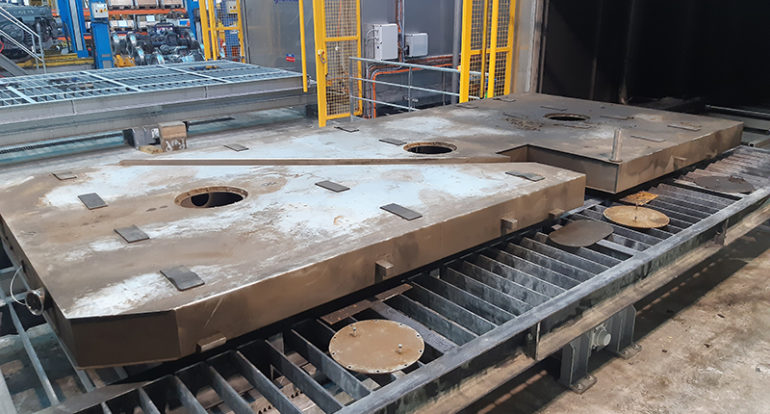
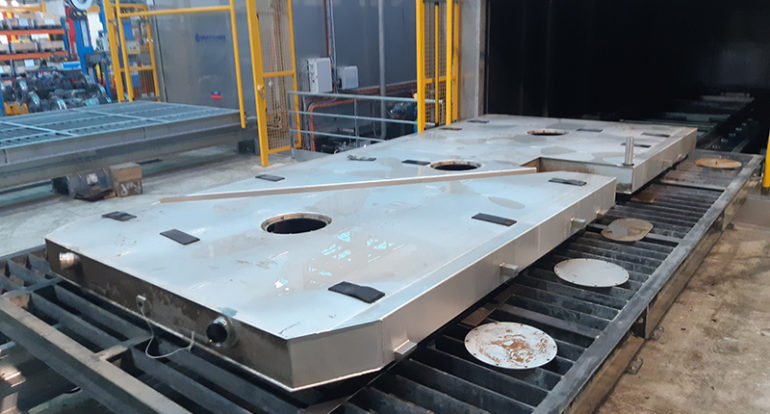
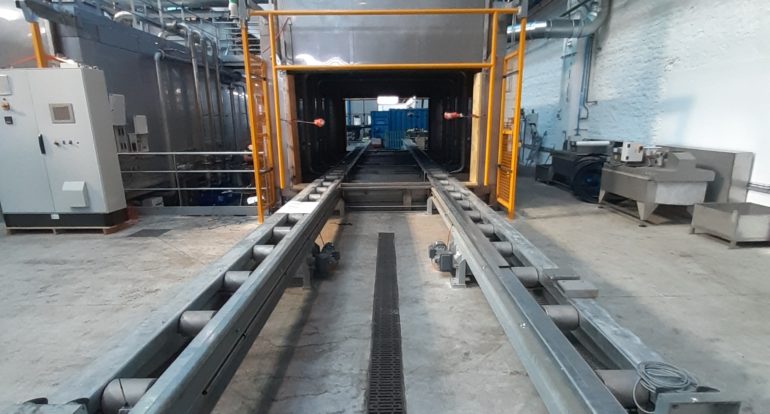
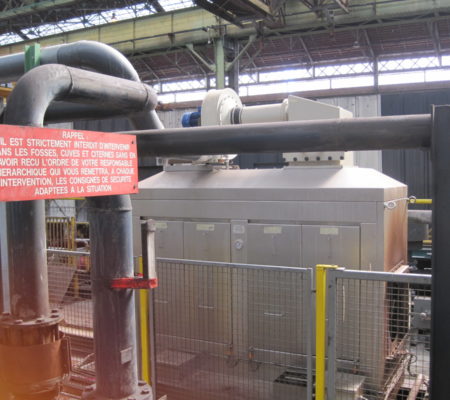
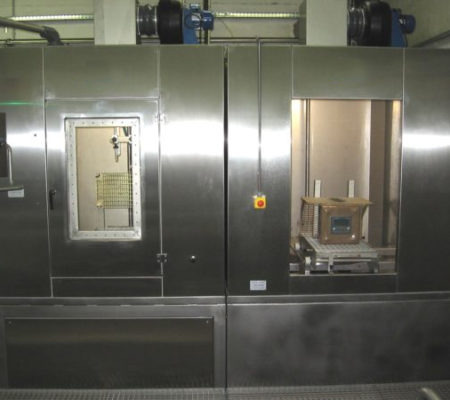
Our R&D team has developed a train parts washing tunnel for SNCF.
Our client had a three-pronged problem with washing parts of varying sizes and weights:
- Having a tunnel that allows for efficient washing
- To ensure user security when using the tunnel
- Working with a system for recycling heavily polluted water, in order to limit the consumption of water, products and energy
MONTANIER addressed the 3 issues by taking the following actions:
- Custom design of car wash tunnels based on customer input data and MONTANIER's experience for efficient washing
- Adapting the best safety measures for operators through a risk analysis conducted in collaboration with APAVE
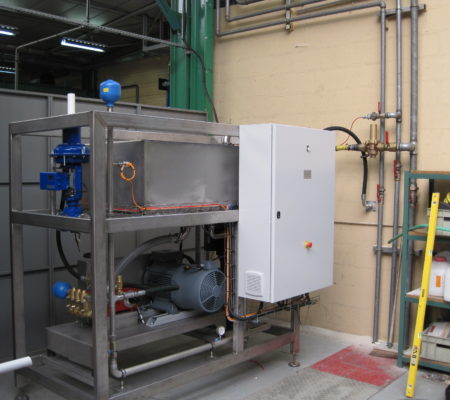
- Implementation of a wastewater treatment and recycling system enabling energy and consumption savings
To meet our client's needs, we created 2 small washing tunnels, with a side-by-side layout, in order to have a sufficient loading/unloading area.
The construction of 2 tunnels offered several technical advantages:
- Location in the proposed area (20 m x 11.30 m).
- Make available immediately the additional surface area for loading and unloading the wash trays (50 m² +/-)
- Allow loading/unloading to occur during the wash cycle
- Perform preventive or corrective maintenance on one tunnel while continuing the washing process on the second tunnel
- Ensure a washing volume exceeding the specifications.
- Each of the 2 tunnels ensures a washing of a surface of Lg 5.20 mx width 3.10 m = 16.12 m² per 3h30 cycle, i.e. 32.24 m² per tunnel, i.e. 64.48 m² for the 2 tunnels per 8h00 shift.
- For economic reasons, the tunnels benefit from gas heating of the wash water.
 +33 2 41 67 11 11