
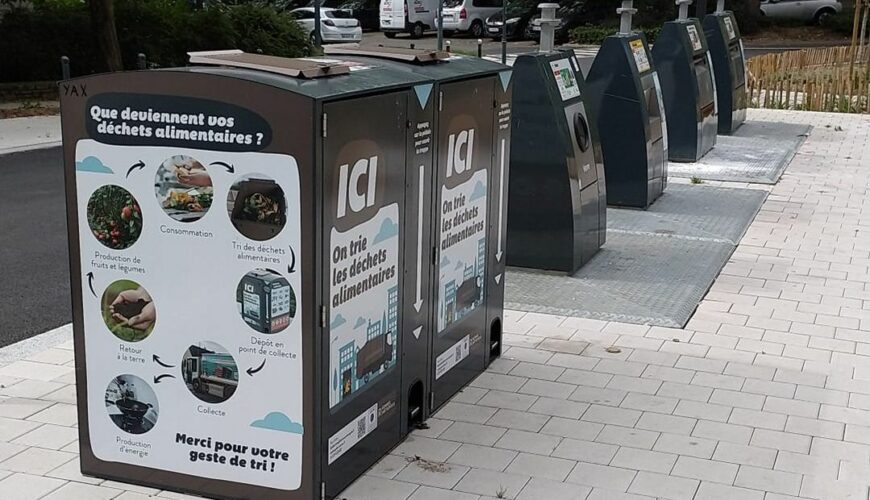
Bio-waste: legal definition and a major new challenge for local authorities
For the purposes of Article L. 541-1-1 of the Environmental Code, biowaste corresponds to non-hazardous biodegradable waste from gardens or parks as well as food or kitchen waste from households, offices, restaurants, businesses or food processing.
Specifically, they include food scraps, peelings, coffee grounds, wilted flowers, and green waste. The Ministry for Ecological Transition also points out that biowaste still represents "a third of unsorted waste in France," making it a priority area for local public action.
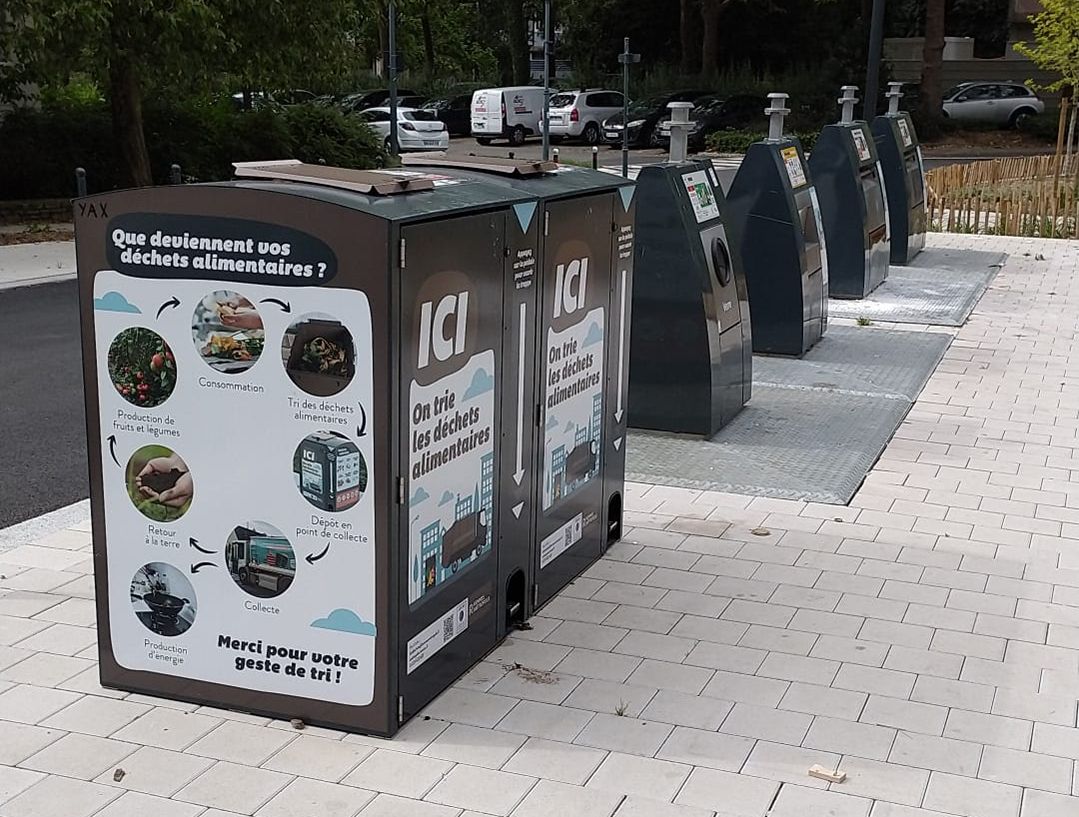
Since the strengthening of European and French regulations, source separation of biowaste is no longer simply a good practice: it has become a legal obligation. In European law, Article 22 of Directive 2008/98/EC, as amended, mandated that by December 31, 2023, biowaste must be separated and recycled at the source, or collected separately without being mixed with other waste. In French law, this approach was reinforced by Law No. 2020-105 of February 10, 2020, known as the AGEC Law (Anti-Waste Law for a Circular Economy ), and subsequently incorporated into the Environmental Code, specifically in Article L. 541-21-1.
Since January 1, 2024, local authorities have been required to offer a solution for sorting biowaste to their residents.
This new regulatory framework now makes biowaste a key issue for local areas, at the crossroads of waste, climate, soil, and circular economy policies. As the government emphasizes, the objective is not simply to divert an organic fraction of residual waste, but rather to organize high-quality soil amendments and local recovery that benefits the region.
Why biowaste is strategic for local authorities
For local authorities, the proper management of biowaste is a lever for environmental, economic, and institutional benefits. Operationally, source separation reduces the tonnage of residual household waste, decreases the need for incineration and landfill, and improves the overall performance of the public waste management service. ADEME (the French Agency for Ecological Transition) also emphasizes that this reduction in tonnage can mitigate certain cost increases, particularly those related to the TGAP ( General Tax on Polluting Activities ). In terms of recovery, source-separated biowaste can be sent for composting or methanization to produce organic amendments and, depending on the case, usable biogas that can be injected into the gas network. The Ministry reiterates that this separation of biowaste reduces emissions associated with residual waste disposal and produces fertilizers beneficial to soils and green spaces.
This issue also raises questions of compliance and quality. Article L. 541-21-1 of the French Environmental Code specifies that source-separated biowaste must not be mixed with other waste, and that, as of January 1, 2027, it will only be counted as recycled in aerobic or anaerobic treatment if it has actually been source-separated. In parallel, the Ministry indicates that returning this waste to the soil must offer guarantees of safety and agronomic quality; it reiterates the applicable regulatory framework for compost in this regard.
In this context, elected officials, technical departments, and local engineering teams are seeking solutions that are legally sound, technically robust, and acceptable to users. As the Ministry and ADEME (the French Agency for Ecological Transition) point out, there is no single solution: separate collection, local composting, shared composting, voluntary drop-off, or methanization must be tailored to the type of housing, seasonality, the actual volume of waste that can be collected, agricultural outlets, and local logistical constraints. It is precisely this adaptation to the local context that determines the success of the implementation.
The MONTANIER response: bio-waste and CSR commitment at the service of local authorities
MONTANIER's response aligns with this approach, offering a comprehensive solution that supports public sector stakeholders and institutional catering providers with concrete solutions for
cleaning, organic waste management, and maintenance. The objective is twofold. Firstly, to help local authorities meet the regulatory requirements of the Environmental Code and the AGEC law, while ensuring control over washing and disinfection facilities (containers, premises, vehicles, etc.). Secondly, to offer robust and innovative technical solutions that address current challenges related to soil conservation and resource reduction. This approach leverages MONTANIER's expertise in washing, disinfection, water treatment, and recycling equipment, particularly in environments related to waste, biowaste, and urban cleanliness. It provides local authorities with practical solutions tailored to local constraints, the diversity of waste streams, and the growing expectations for environmental performance and service quality.
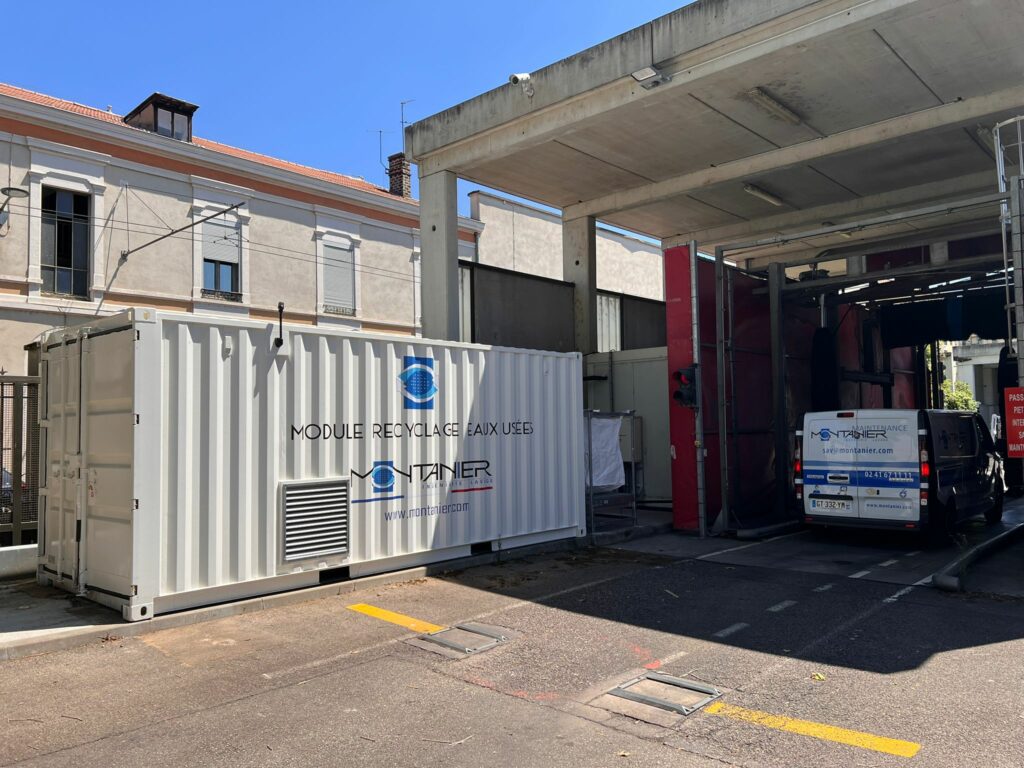
This initiative is fully aligned with MONTANIER's CSR strategy, particularly through the CYCLA program, which reflects the company's commitment to developing circular and sustainable solutions. MONTANIER affirms its position as a committed industrial player, capable of supporting local communities in implementing more sustainable, efficient, and consistent industrial washing and disinfection solutions that align with this ecological transition.
The experience gained from contact with communities and field actors thus strengthens MONTANIER's legitimacy on the subject of biowaste, not only as a supplier of technical solutions, but also as a trusted partner on complete tailor-made installations.
Concrete solutions for cleaning, disinfecting, recycling and reuse of water
In the biowaste sector, industrial cleaning solutions must meet two requirements: ease of use and seamless integration into the processes of both local authorities and existing operators. It is precisely in this area that MONTANIER offers its expertise to stakeholders in the sector.
We support our clients in the design and deployment of solutions tailored to their operational and environmental challenges, particularly through:
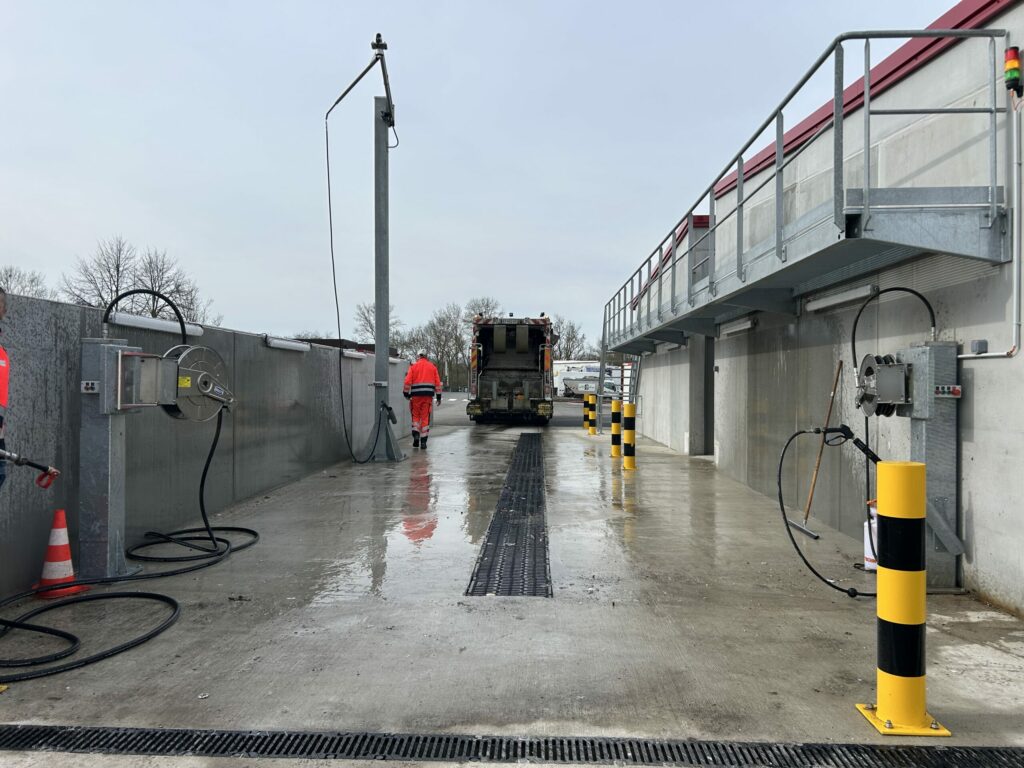
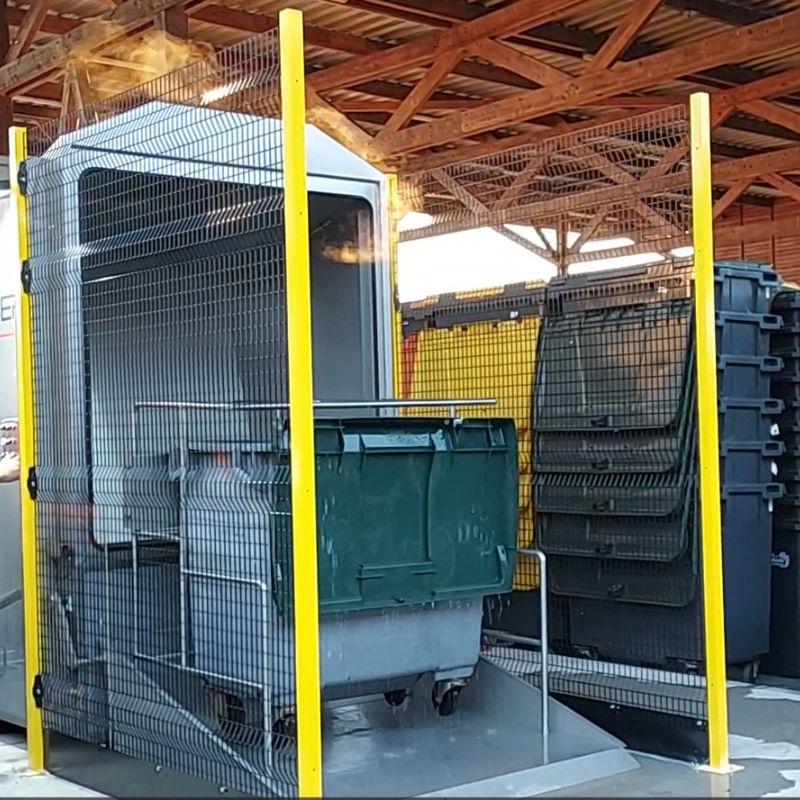
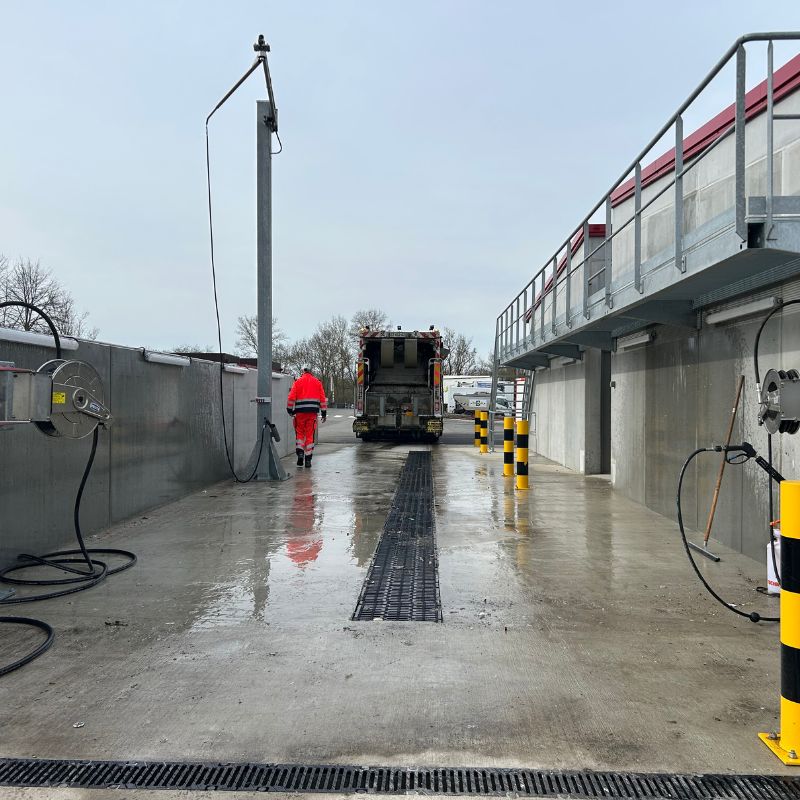
• Complete industrial washing facilities , which can be integrated into sorting areas, pre-collection of biowaste, and more broadly into the various stages of the waste management process. This equipment enables deep cleaning, thus contributing to improved hygiene, enhanced operating conditions, and preservation of the quality of the working environment around organic matter.
• A range of industrial machines designed to suit the specific activities and constraints of each site:
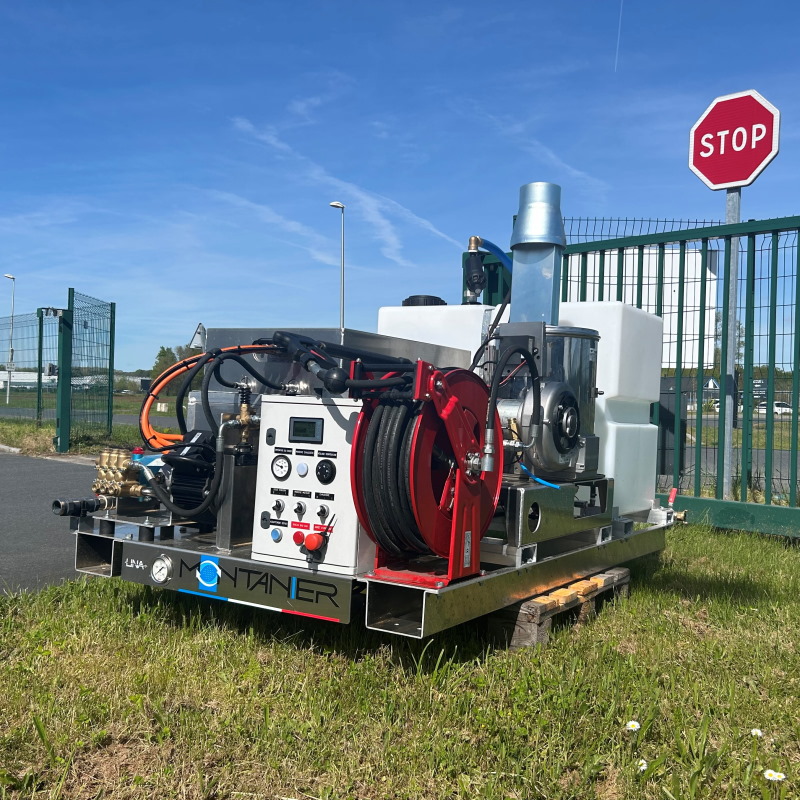
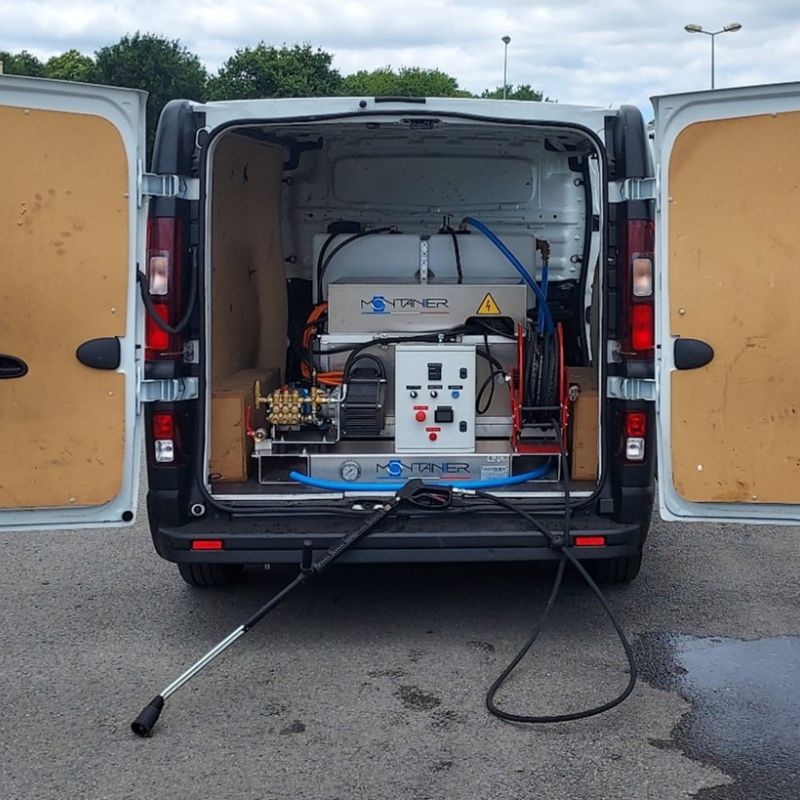
– Compact, self-contained electric hot water pressure washer – Montanier
– DASRI bin returner washer, for household waste – Montanier compatible Biowaste bin, NF EN 840, Palox, Pallet box, Europe bin…
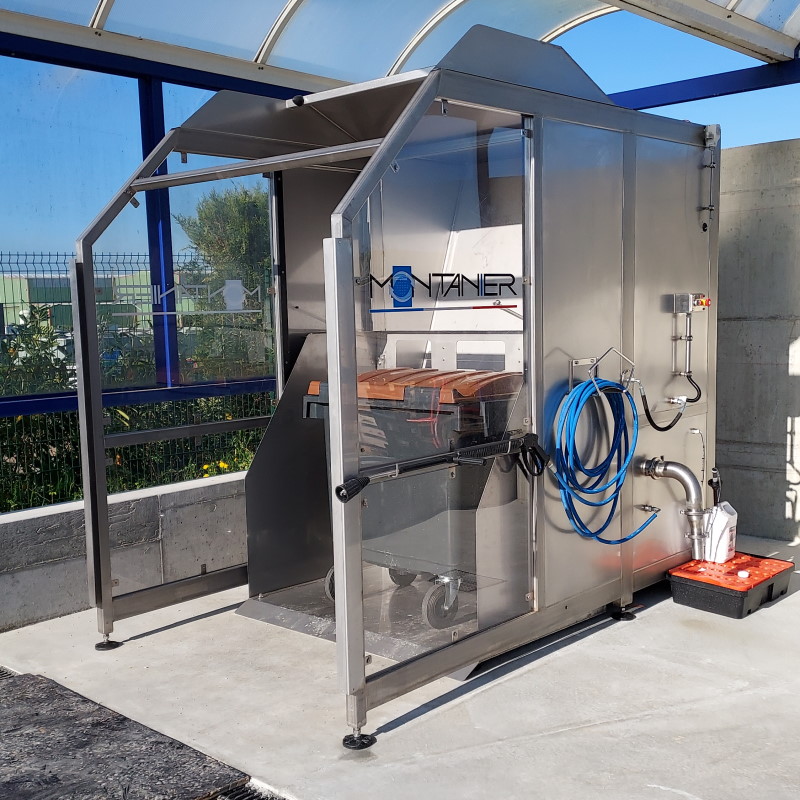
– Indoor and outdoor bin washer/turner – Montanier compatible with NF EN 840 biowaste bins, pallet boxes, pallet boxes, Euro bins…
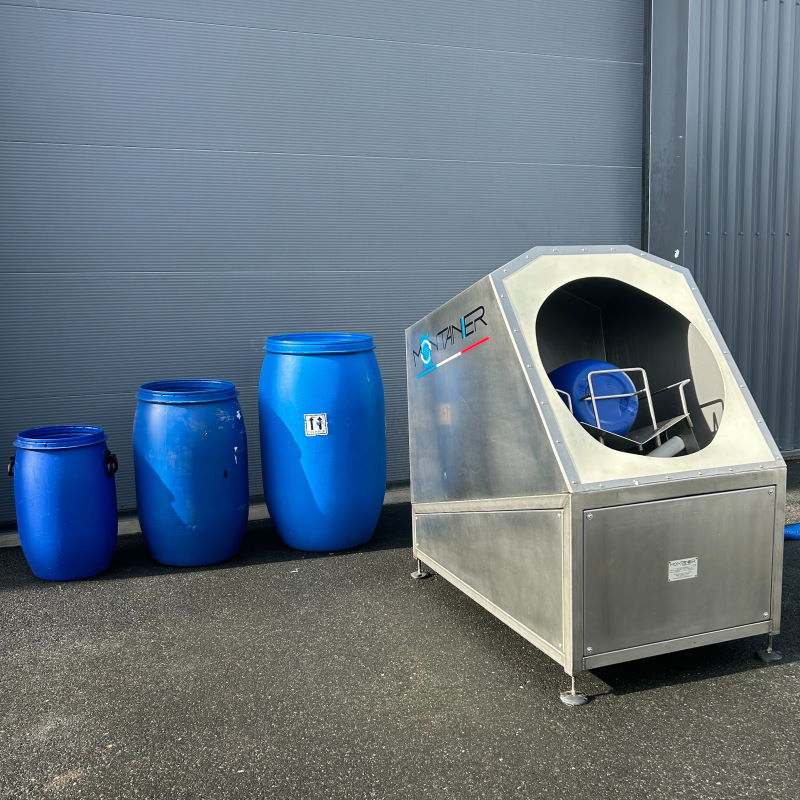
– Single-station drum washer for 30L to 220L drums – Montanier compatible with plastic and stainless steel drum tanks
All this equipment is designed to sustainably optimize the hygiene level of containers, limit handling to reduce musculoskeletal disorders (MSDs).
• The deployment of Water Save and Safe technology , which places water management at the heart of facility performance. This approach enables water recycling, treatment before discharge, and storage, in order to significantly reduce consumption and improve the overall environmental performance of the equipment.
By combining a range of solutions specifically adapted to the needs of the sector with a demanding approach to optimizing water resources, MONTANIER provides a comprehensive, coherent and sustainable response to environmental, health and regulatory challenges ( ED6473, NF EN 840, NF EN ISO 15883 ).
Innovative solutions serving local communities
Bio-waste is no longer simply a stream to be disposed of: it now represents a strategic challenge for communities, which must combine regulatory compliance, operational control, hygiene, logistical performance and resource recovery.
In this context, MONTANIER supports communities as a specialist in the design and implementation of industrial washing solutions, integrating equipment, processes and water treatment in a comprehensive and operational approach.
Our expertise allows us to offer reliable, robust installations sized according to usage, capable of meeting field constraints while guaranteeing washing efficiency, sanitary quality, control of operating costs and simplicity of maintenance.
With MONTANIER, local authorities benefit from an industrial partner capable of transforming a regulatory requirement into a high-performance, sustainable technical solution adapted to the realities of their territory.
 +33 2 41 67 11 11